When you live with anxiety, the days can feel unpredictable. Some mornings you wake up steady, and others you feel as though your mind has already run a marathon of “what ifs” before your eyes have even opened.
While you can’t always control when anxious thoughts that appear uninvited, you can create a structure that helps you feel more prepared. Think of it as building an anxiety plan—a collection of small, daily habits that reduce stress, support your nervous system, and help you regain a sense of calm.
Anxiety thrives in uncertainty. A plan doesn’t erase the challenges, but it gives you anchors to return to when your mind starts spinning. Here are some daily practices you can build into your personal anxiety plan.
1. Focus On Your Breath
The way you breathe sends direct messages to your nervous system.
Shallow, rapid breaths can keep your body stuck in “fight or flight,” while slow, deep breathing activates your body’s calming response.
Your plan: Each morning, before checking your phone (!), take 10 deep breaths:
Inhale for four counts.
Hold for two.
Exhale for six.
This practice tells your body, “You are safe.” You can do this any time. But I recommend making it a daily practice after you wake up, even when you aren’t feeling anxious. Over time, this small act becomes a mental touchstone you can use throughout the day when you feel anxious thoughts creeping in.
2. Create a Gentle Morning Routine
Anxiety often feels worse when the day starts in chaos—running late, skipping breakfast, rushing out the door. A grounding morning ritual can set a different tone.
Your plan: Choose one small, attainable, not time-consuming ritual that feels doable:
Making tea slowly
A couple of stretches before getting out out of bed stretching for five minutes
Name 5 things you’re grateful for right when you wake up
The habit doesn’t need to be complicated. What matters is that you claim a few moments for yourself before the world’s demands take over, as close to every day as possible.
3. Move Your Body in Simple Ways
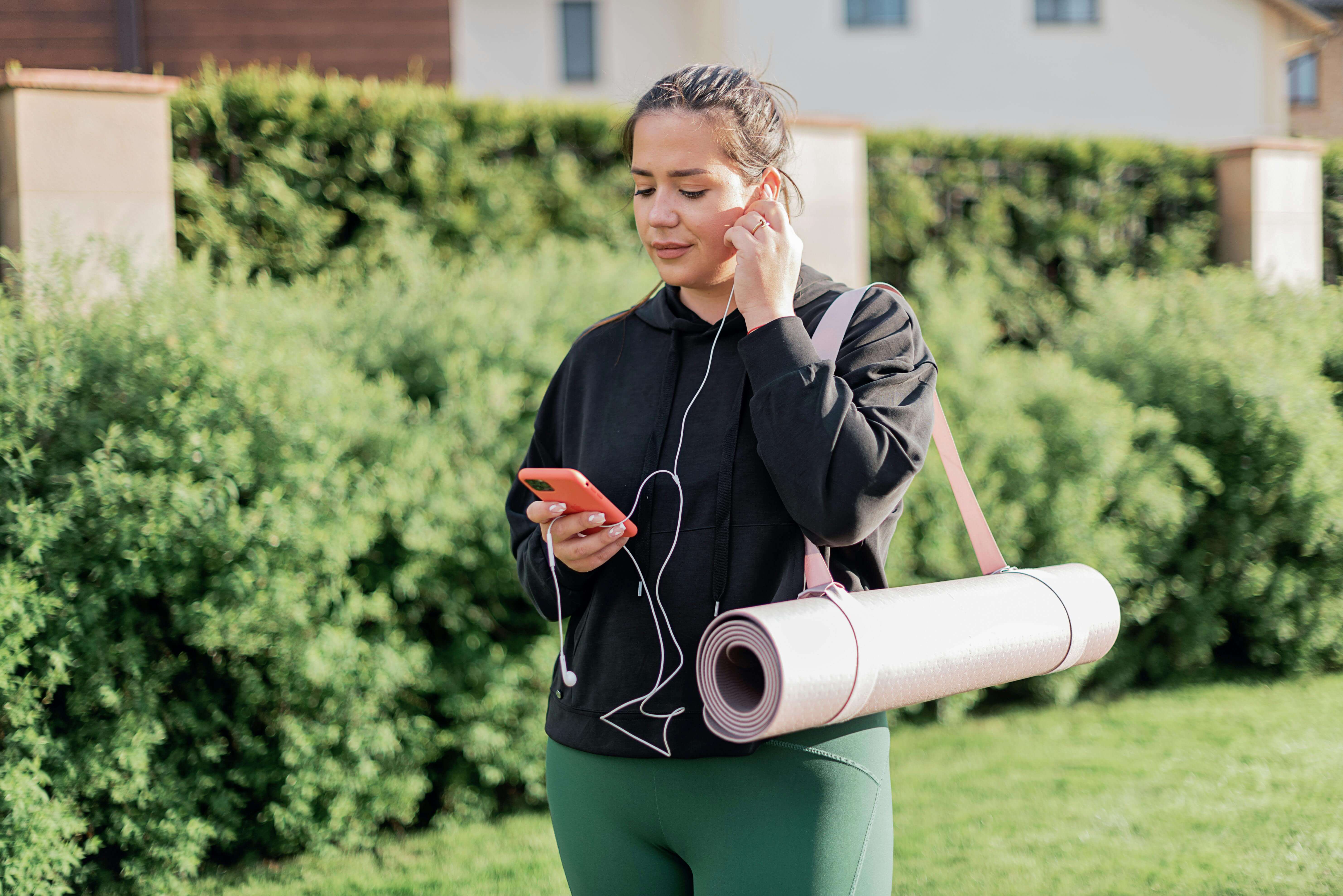
You don’t need an intense workout to reduce anxiety—gentle, consistent movement is what matters most. Exercise lowers stress hormones, releases endorphins, and gives anxious energy a place to go.
Your plan: Add movement in a way that feels kind, not punishing. Walking is wonderful, especially if you can use some of the time walking outdoors to not listen to a podcast or music, but just notice your surroundings.
Stretch between tasks
Put on a song you haven’t heard for a while and let your body move to it
When joyful movement becomes part of your daily rhythm, your body learns it has outlets for releasing tension instead of holding it inside.
4. Limit Your Information Diet
Our nervous systems simply were not designed for the constant barrage of notifications, headlines, and calls for our attention.
Constant news alerts, social media updates, and endless scrolling has been proven to worsen anxiety. Your brain isn’t built to process that much stimulation.
Your plan: Set gentle boundaries with your devices.
If you must scroll a little, look for things that bring you pleasure, like funny videos, design ideas, music.
Choose one or two times per day to check the news rather than refreshing constantly. It’s ok to stay informed. You’re not ignoring the world—you’re protecting your mental health.
5. Practice “Mini Mindfulness”
Many people think mindfulness means long meditations, seated cross-legged on a cushion in an upright position with your eyes closed. Not necessarily! Short check-ins can be just as powerful when used consistently.
Anxiety pulls you into “what ifs”; mindfulness pulls you back into this moment.
Your plan: Pick a daily task—washing your hands, brushing your teeth, making coffee—and commit to doing it mindfully. Notice the sounds, textures, and sensations, without judgment. Even a single mindful minute brings you back to the present and interrupts anxious spirals.
As you do this more consistently when you are not anxious, you will have more access to this practice when you are.
6. Nourish with Steady Fuel
Blood sugar swings can mimic or worsen anxiety symptoms: shakiness, irritability, racing heart. Eating balanced meals with protein, fiber, and healthy fats helps keep your body and mind steady.
Your plan: Rather than skipping meals, build a habit of keeping nourishing snacks nearby—nuts, fruit, or yogurt. Hydrate regularly. If you don’t like water, think of alternatives to have on hand like flavoried seltzers or iced teas.
Think of food and hydration not just as fuel but as a form of self-care that supports your anxiety plan.
7. Journal to Release the Noise
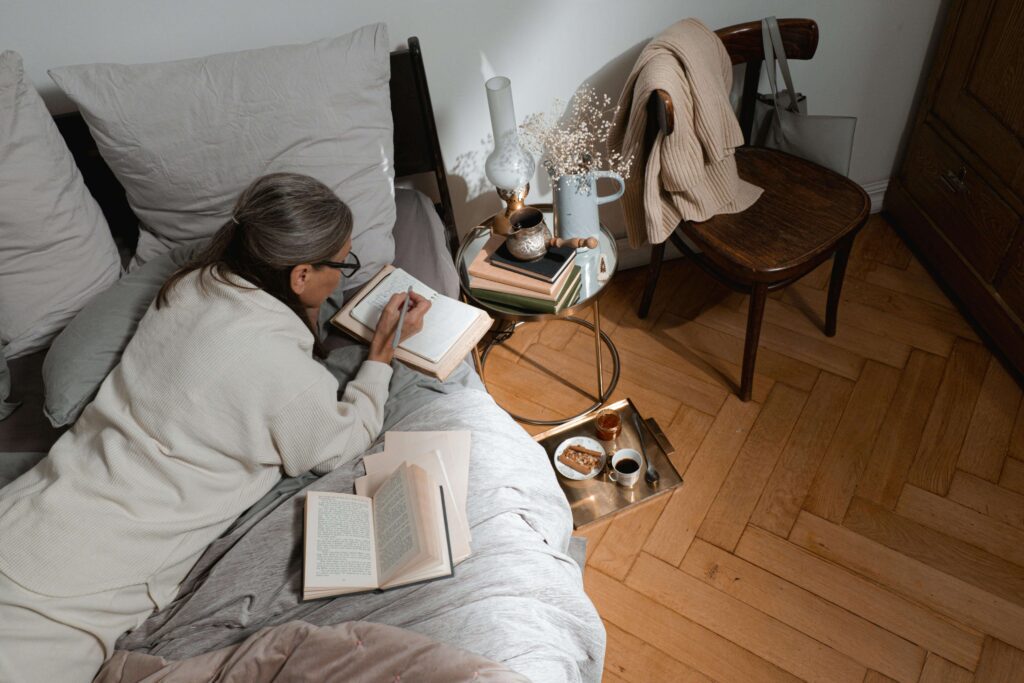
An anxious mind often feels crowded with unfinished thoughts. Writing them down in a journal, again and again, can help you release what you’re holding, develop potential solutions and next steps, and gain perspective.
Your plan: Each day that you can, spend a few minutes writing. Jot down what’s on your mind, no matter how small or seemingly insignificant, or frankly redundant it may be. Nobody is going to read your journal. They are meant to be boring.
Journaling can shift your focus from anxiety’s “what ifs” to concrete, grounding reflections on next steps.
8. End with a Calming Cue
Just as mornings set the tone, evenings prepare your body for rest. Anxiety often spikes at night, when the world gets quiet and your thoughts get louder. A calming bedtime ritual helps signal to your body that it’s safe to let go.
Your plan: Choose a simple nightly cue—reading a few pages of a gentle book, sipping herbal tea, listening to calming music, an easy stretch, or practicing a short meditation.
As with all things in your anxiety plan, consistency is key: over time, your body learns to associate these cues with safety and rest.
Building Your Personal Anxiety Plan
The beauty of an anxiety plan is that it’s flexible.
You don’t need to do all of these habits at once. Start small. Choose one or two practices that feel most approachable and build from there. Your plan doesn’t have to be perfect—it just has to be yours.
Remember, these daily habits aren’t about eliminating anxiety completely.
They’re about creating structure and self-support, so that when anxiety does arise, you’re not left without tools. Over time, these practices become anchors you can return to—gentle reminders that you are capable of finding calm, even in the midst of worry.
Creating an anxiety plan is a gift you give yourself each day.
It’s not about control—it’s about care.
And with each small habit you choose, you’re reminding yourself that while anxiety may visit, it does not define you.