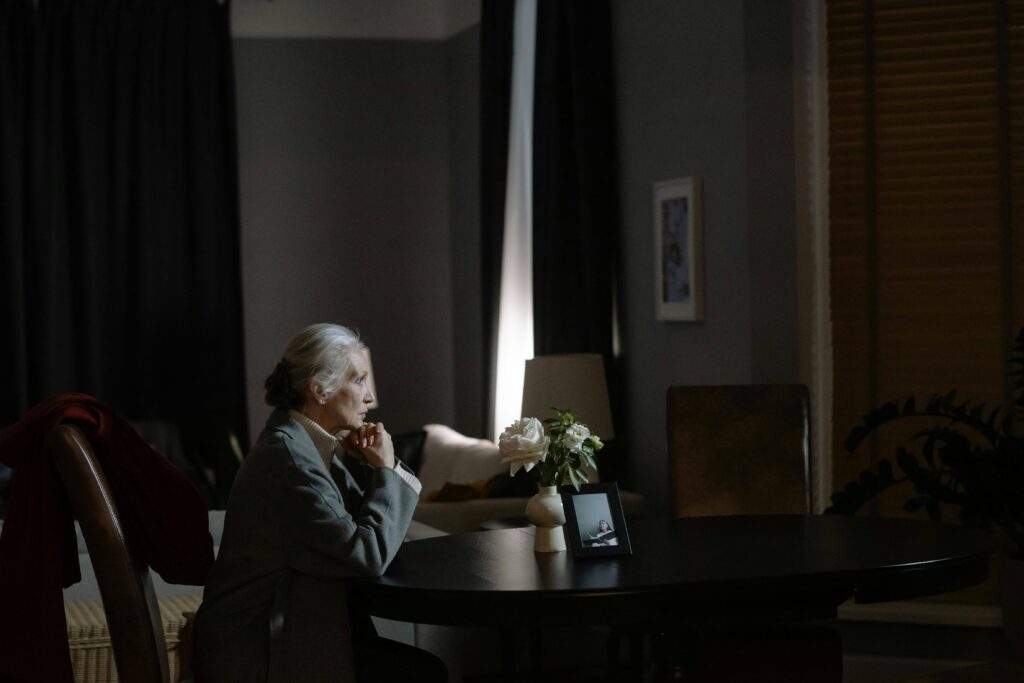
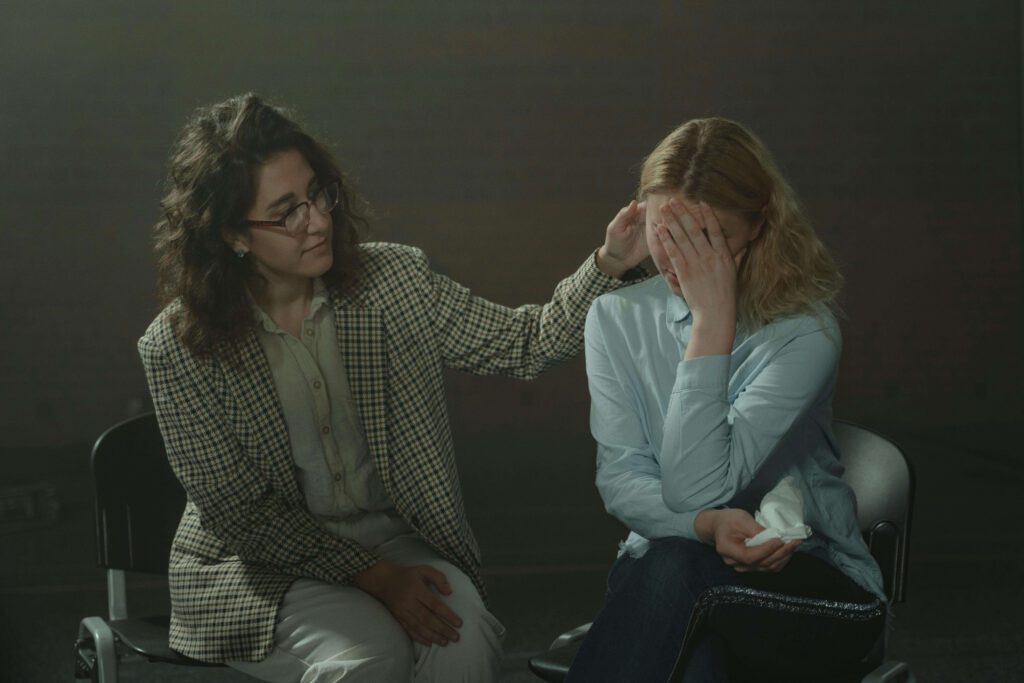
There are events in our lives that don’t stay neatly in the past.
They linger.
They show up years later in our bodies, in our reactions, in the sudden tightness in our chest or the wave of emotion that seems to come out of nowhere. We tell ourselves, This was so long ago. I should be over this by now!
That thought often comes with shame or self-judgment, as if strong feelings are a personal failure instead of a human response. But strong feelings can last for years not because we are weak, dramatic, or stuck—but because our nervous systems remember what mattered.
When something impacts us deeply, it isn’t just stored as a story we can recall and move on from. It’s encoded in our bodies, our emotions, and our sense of safety. The brain doesn’t file emotionally intense experiences by date; it files them by significance.
Events tied to fear, loss, rejection, humiliation, helplessness, or even overwhelming love are tagged as important for survival. And the brain’s job is not to help us “get over it”—it’s to make sure we never get blindsided again.
That’s why an event can be technically over, but still feel present.
Strong emotions last when an experience overwhelms our capacity to process it in the moment. If we didn’t feel safe, supported, or resourced enough when it happened, our system doesn’t get closure. Instead of being fully integrated, the experience stays partially unfinished—like a sentence without a period. Years later, something small can activate anxiety related to the event; a tone of voice, a smell, a familiar dynamic. Suddenly, our anxiety is not just reacting to now—anxiety is reacting to then.
When Someone Hurt You
This is especially true for events that involved relational pain. When the hurt came from people we depended on, trusted, or loved, the impact runs deeper. Our nervous system learned something about connection: This isn’t safe, or I don’t matter, or I have to stay on guard. Those beliefs don’t disappear just because time passes. They soften when they are met with new, corrective experiences—but until then, they remain protective strategies, not flaws.
Another reason feelings last is because we often had to keep going instead of feeling. Many of us learned to push through, be strong, take care of others, or move on quickly. We didn’t get the chance to grieve, rage, or fall apart. The emotions didn’t disappear—they were postponed. And postponed emotions have a way of resurfacing later, often when life finally slows down enough to feel them.
When Events Hurt You
There’s also the meaning we attach to events.
It’s not always what happened—it’s what it came to represent. An experience can become symbolic of worth, safety, belonging, or identity. If an event reinforced a painful belief about who we are or how the world works, it can echo for years. We may think we’re upset about the past, but often we’re responding to how that past shaped our sense of self.
Strong feelings persist when there was no repair. No acknowledgment. No apology. No validation. Closure is not something we give ourselves by deciding we’re done—it’s something that happens when the emotional truth of an experience is recognized. When that doesn’t happen externally, the body keeps holding the alarm, waiting for resolution.
Feelings Don’t Run on Logic
And then there’s this: emotions don’t run on logic.
You can intellectually understand why something happened, forgive, or even feel compassion—and still feel hurt. That doesn’t mean you haven’t healed. It means different parts of you are on different timelines. Healing is not the absence of feeling; it’s the ability to feel without being overtaken.
Time Does Not Heal All Wounds
I think one of the most damaging myths we carry is that time alone heals. Time can soften edges, but healing requires safety, presence, and permission. It requires letting ourselves feel without rushing, minimizing, or explaining it away. It requires understanding that if something still hurts, it’s because a part of us is still asking to be seen.
Strong feelings that last for years are not a sign that we are broken. They are evidence that something mattered. That we cared. That we were impacted. And often, that we survived something that asked more of us than we were prepared to give.
When we approach these lingering emotions with curiosity instead of judgment, something shifts. Instead of asking, What’s wrong with me? we can ask, What is this feeling trying to protect? What did it need back then that it didn’t get?
There is no expiration date on emotional truth. And healing doesn’t mean erasing the past—it means making room for it to finally rest.